
 |



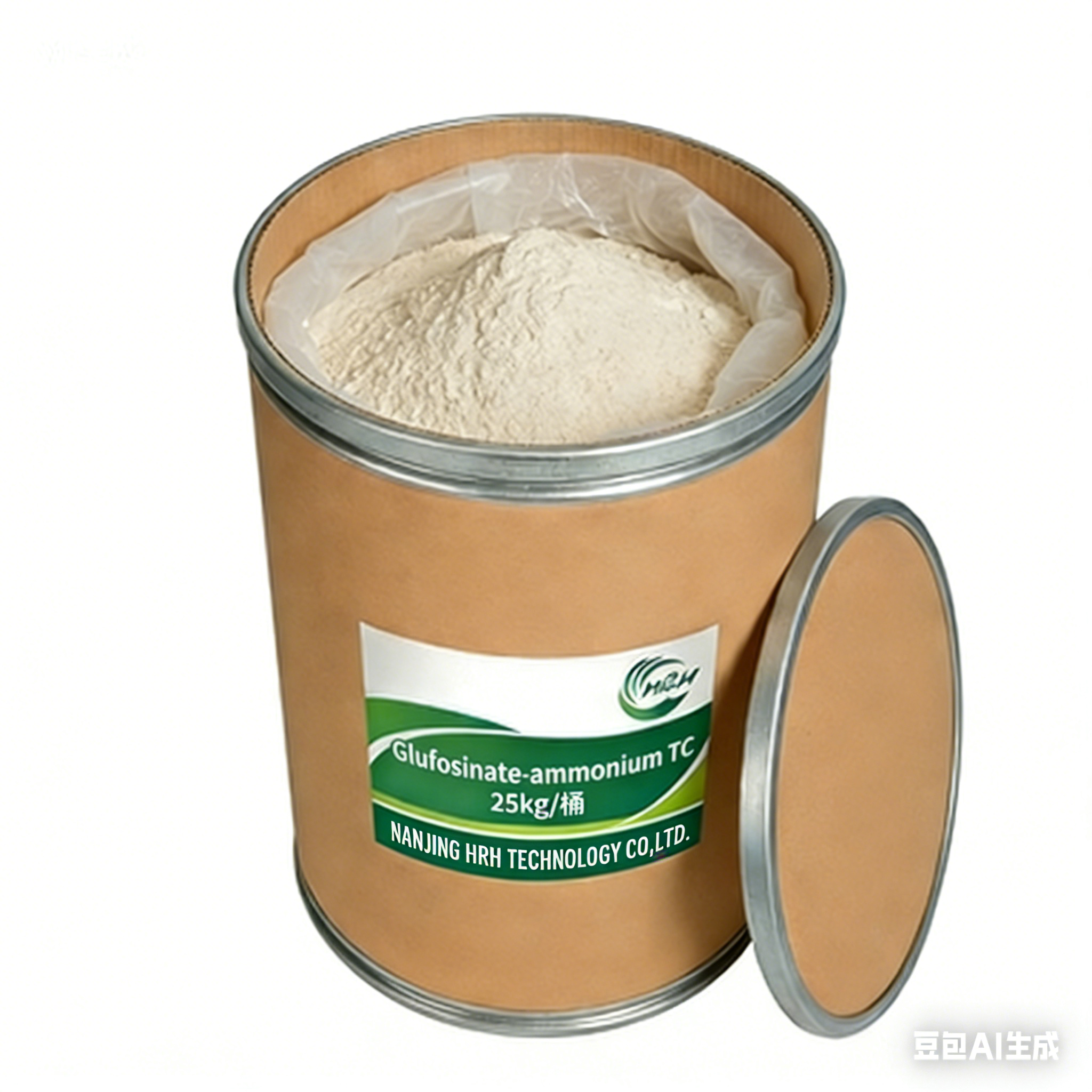
TC
HRH
HRH0017
| Quantity: | |
|---|---|
Chemical Name: Ammonium (RS)-2-amino-4-[hydroxy(methyl)phosphinyl]butanoate
Molecular Formula: C₅H₁₅N₂O₄P
Molecular Weight: 198.16
CAS No.: 77182-82-2
International Common Name: Glufosinate-ammonium
Trade Names: Basta, Liberty, etc.
Parameters | Values |
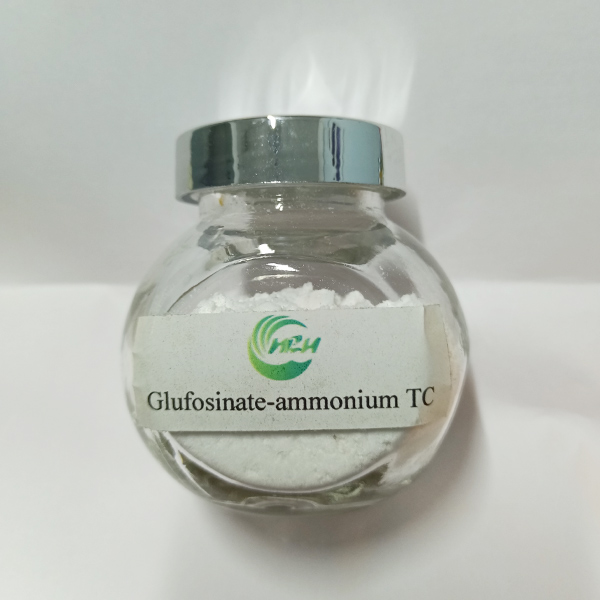
Appearance | White to pale yellow crystalline powder |
Melting Point | Approx. 210°C |
Boiling Point | 519.1°C (760mmHg) |
Density | 1.4 g/cm³ |
Flash Point | 267.7°C |
Vapor Pressure | 3.61×10⁻¹² mmHg (25°C) |
Solubility | Solubility in water: 1370g/L (22°C); low solubility in common organic solvents |
Stability | Stable to light; hydrolyzes in the pH range of 5-9 |
Soil Half-Life | <10 days (environmentally friendly) |
Indicators | Requirements |
Glufosinate-ammonium Mass Fraction | ≥95.0% |
Ammonium Ion Mass Fraction | ≥8.6% |
Water-Insoluble Substances | ≤0.2% |
pH Value | 4.0~7.0 |
Moisture Content | ≤0.5% |
Formaldehyde Content | ≤0.1% |
Phosphorous Acid Content | ≤2.0% |
After being absorbed by leaves, it has partial systemic activity and can translocate from the base to the tip of leaves
Inhibits GS activity, blocking the conversion of ammonia to glutamine
Leads to the accumulation of ammonia in plants, damaging the photosynthetic system
Triggers lipid peroxidation of cell membranes and decomposition of chlorophyll
Plants become chlorotic, withered and die within 2-5 days
Orchards and Vineyards: Weed control between rows without damaging fruit tree roots
Non-cultivated Land and Railway Lines: Broad-spectrum non-selective weed control
Potato Fields: Pre-emergence soil treatment or stubble killing before harvest
Glufosinate-ammonium Resistant Transgenic Crops (corn, soybeans, etc.): Supporting weed control, accurately killing weeds without harming crops
Tea Gardens: Directed spraying between rows; tests have shown that it can increase the amino acid content of tea by 3.2%
Grass Weeds: Alopecurus aequalis, Avena fatua, Digitaria sanguinalis, Echinochloa crusgalli, Setaria viridis, Phragmites australis, etc.
Broadleaf Weeds: Chenopodium album, Amaranthus spp., Polygonum spp., Portulaca oleracea, Taraxacum mongolicum, etc.
Also effective against some sedges and ferns
Foliar Spraying: Dosage 0.7-1.2kg/ha (adjust according to weed type and growth stage)
Weed Control Period: The effect of one application can last for 4-6 weeks
Potato Fields: Spraying before emergence or before harvest, dosage about 1kg/ha
Toxicity Classification: Low Toxicity, Acute Oral LD₅₀ in Rats: 1620-2000mg/kg
Effects on Skin and Eyes: Mild irritation
Environmental Impact: Soil half-life <10 days, very low risk of groundwater pollution
Safety Class: Classified by WHO as "Class III: Slight Hazard", no teratogenic, carcinogenic or mutagenic effects
Technical product cannot be used directly; it must be processed into formulations (such as 200g/L aqueous solution) before being used in agricultural production
Protective equipment should be worn during use to avoid drift to non-target crops
In areas with severe glyphosate resistance, it can be used as an ideal alternative to glyphosate