
 |


TC
HRH
HRH0010
| Quantity: | |
|---|---|
Molecular formula: $$C_{12}H_{10}O_2$$
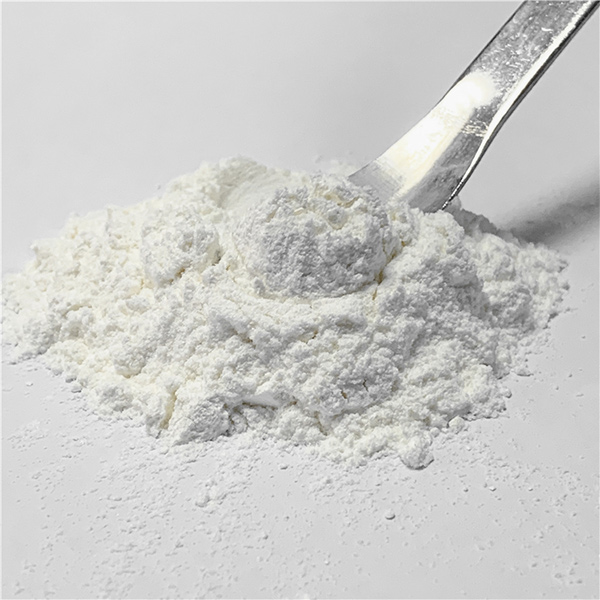
Appearance: Pure product is colorless acicular crystals or white powder; industrial product is usually light yellow to yellowish-brown solid
Solubility: Slightly soluble in water, easily soluble in organic solvents such as ethanol, acetone and ethyl acetate. In production, it is mostly processed into sodium salt (sodium naphthaleneacetate) or potassium salt to improve water solubility
Stability: Stable at room temperature, easily decomposed when exposed to strong acids and alkalis, and has certain tolerance to light and heat
Promoting cuttings rooting: This is the most classic use of NAA, which can induce plants to form adventitious roots. For example, before cutting seedlings such as Chinese rose, grape and poplar, soaking the base of cuttings in low-concentration NAA solution can significantly improve the rooting rate and root quantity, and enhance the survival rate of cuttings.
Preventing flower and fruit drop: Spraying appropriate concentration of NAA on fruit trees (such as apple, citrus, tomato) during flowering or young fruit stage can enhance the adhesion between fruit and fruit stalk, flower and flower stalk, reduce physiological fruit drop, and improve fruit setting rate.
Flower and fruit thinning: High-concentration NAA can be used as a thinner. Spraying after the full flowering period of fruit trees (such as apple) can selectively thin out excessive flowers or young fruits, avoid uneven size caused by overcrowded fruits, and improve the rate of high-quality fruits.
Regulating plant growth: Low-concentration NAA can promote the vegetative growth of vegetables (such as cucumber, eggplant), increase stem thickness and leaf area; high-concentration can inhibit apical dominance, promote lateral bud germination, and be used for seedling dwarfing and shaping.
Promoting fruit ripening and coloring: Spraying low-concentration NAA in the late stage of fruit expansion can accelerate the transport of nutrients in fruits, promote coloring and ripening, and advance the marketing period.
Significant concentration effect: Low concentration promotes growth, while high concentration inhibits growth and even causes phytotoxicity (such as leaf distortion, fruit cracking). The dosage must be strictly determined according to crop type and growth period.
Strict application period: For example, fruit thinning of fruit trees should be carried out when the diameter of young fruits is 2-3mm. Too early application may lead to excessive thinning, and too late application will result in poor effect.
Mixing taboos: Avoid mixing with alkaline pesticides or fertilizers to prevent decomposition and failure; it can be compounded with regulators such as gibberellin (GA₃) to achieve synergistic effect (such as promoting fruit expansion).
Residue and safety: The residual period of NAA in crops is short. When used in accordance with the dosage specified by national standards, it is relatively safe for humans, animals and the environment. However, the pre-harvest interval must be observed, and use should be stopped 7-10 days before harvest.